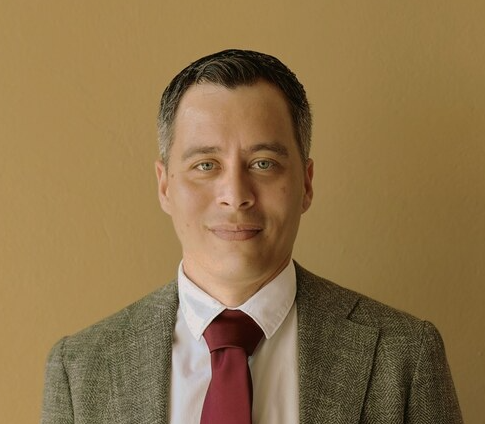

zkSNARKs is a collection of 10,000 encrypted identities on the Zcash blockchain. And the community already calls it the CryptoPunks of ZEC. Unlike normal NFTs, ownership is private by design: nobody can check a block explorer to see who holds what. The project sold 8,000 of them this week through a blind auction that settled at 1.5 ZEC apiece. That’s roughly $17.5 million raised, making it the largest NFT event Zcash has ever seen.
Privacy coins were supposed to be the last place NFT culture would show up. Let’s dig into why it happened anyway. How the auction worked, and what it says about where this meta is heading.
What Is zkSNARKs?
The name comes straight from Zcash’s core technology. A zk-SNARK is the cryptographic proof that lets someone verify a transaction is valid without revealing the sender, receiver, or amount. The NFT project borrows both the name and the machinery: each of the 10,000 pieces is an encrypted identity whose ownership stays shielded instead of sitting exposed on a public ledger.
Supply breaks down into three buckets. The public got 8,000 through the auction. Then a 1,000 went to SNARKLIST applicants approved through a review process. And 1,000 sit in the treasury for grants, contributors, artists, and the team. The pitch goes beyond collectibles: the team wants these identities to eventually unlock community access and reputation, a kind of private ID card that lives on-chain.
How the Blind Auction Worked
Forget gas wars and mint buttons. zkSNARKs ran a 48-hour uniform-price sealed-bid auction. And the format deserves as much attention as the money. Bidders submitted a maximum price in ZEC through shielded transactions, meaning neither bid amounts nor bidder identities were visible on-chain during or after the sale. The top 8,000 bids won, and every winner paid the same clearing price: the lowest winning bid.
Results landed on September 18, and the demand was violent. A total of 16,971 bids competed for 8,000 spots, with 25,305 ZEC (about $36.9 million) in gross volume submitted. The clearing price settled at 1.5 ZEC, around $2,190 per identity. Everything above that, including all 8,971 losing bids, got refunded: 13,309 ZEC worth $19.4 million, processed automatically to each bidder’s Zcash address within 24 hours, with nothing to claim and no way for outsiders to see who lost. Net raise for the project: roughly 12,000 ZEC, or $17.5 million at current prices.
You may have seen bigger numbers floating around your timeline. Viral posts quoted the $36.9 million bid volume as the raise, skipping the refund line printed directly below it in the team’s own results graphic. The real figure is $17.5 million, and honestly, “$37 million chased $18 million of supply” is the more impressive stat anyway.
Worth noting how differently the other big mint of the month handled the same pressure. Rare Friends on Robinhood Chain had to cancel its final public round entirely because bots would have swept it within one block. zkSNARKs designed the bots out from the start: sealed bids leave nothing to snipe, no RPC speed advantage, no front-running a whale wallet you can’t even see.
The whole thing ran on Zilkroad, the project’s own platform, which is also where secondary trading opens now that the auction has settled. The name is a wink at the most infamous brand in crypto privacy, with a zk twist. If the Zcash NFT meta keeps growing, Zilkroad is positioned to become its default marketplace, so remember the name.
Why NFTs on Zcash Are Different
Every major NFT ecosystem so far has run on transparent chains. One link between your name and your wallet exposes your entire portfolio: every asset, every price paid, every wallet you’ve touched. Zcash NFT projects flip that default. The collection stays public and verifiable, while the holder decides whether to reveal anything at all.

That unlocks a genuinely new idea. Zcash solved private money years ago; these projects extend privacy to identity, reputation, and community membership. You can belong to something on-chain without publishing a permanent dossier of yourself. Whether zkSNARKs specifically delivers on that is an open question, but the direction is bigger than one collection.
Timing did its part too. ZEC has ripped over 200% since mid-August on the back of the Grayscale spot ETF and institutional disclosures, big enough that ZEC flipped HYPE in the market cap rankings. A $17.5 million NFT auction on top of that rally reads less like a one-off and more like a market repricing everything privacy touches.
The Zcash NFT Wave Is Bigger Than One Auction
zkSNARKs is the anchor event, not the whole story. ZecBit launched what it calls the first NFT collection on ZEC: Genesis, 3,333 free-minted pixel pieces now trading around 0.34 ZEC (~$500) with over $430,000 in settled sales, where portfolios stay invisible and purchases settle in shielded ZEC. Behind it sits a launchpad already onboarding new collections, plus a pipeline of upcoming drops: identity projects, shielded PFPs, and multiple free mints.

Free mints and whitelist quests make this meta airdrop-adjacent by nature, which is exactly our lane. Ordinals proved that NFT culture landing on a maximalist chain can mint an entire ecosystem from nothing. Zcash is running the same experiment with privacy as the twist, and it’s week one.
The Red Flag You Should Know About
Not everything smells clean here. LeonidasNFT, one of the best-known builders in the Bitcoin Ordinals space, publicly accused the zkSNARKs team of being serial “entrepreneurs” from the inscriptions era whose previous projects were largely scams. The team operates pseudonymously, so verifying or dismissing the claim is difficult, and that’s precisely the problem.
Private ownership cuts both ways, too. The same shielding that protects holders also makes it harder to track what a team does with treasury allocations or insider supply. Anonymous teams with contested track records deserve extra skepticism regardless of how elegant the auction mechanics are. Size your risk like it’s week one of an unproven project, because it is.
Keep This Content Free
No paid placements here, just a breakdown of the zkSNARKs auction the way we’d want to read it. Trading through our partner links is what keeps it that way: OKX and Bybit both support the site when you sign up through them.
Final Words
An NFT collection raising $17.5 million on a privacy chain would have sounded absurd six months ago. Between this auction, ZecBit’s marketplace, and the free-mint pipeline behind them, Zcash NFTs went from nonexistent to a functioning meta inside a month, riding the strongest ZEC momentum in a decade. The blind auction format alone earned its place in history: fair distribution, invisible bids, automatic shielded refunds, zero bots. Ordinals started exactly like this, as a weird experiment maximalists hated. Keep one eye on the secondary market and the other on that team history.
And if you’d rather farm ZEC than bid on it, ZCAT pays holders in shielded airdrops — the memecoin cousin of this same meta.

Frequently Asked Questions
What are zkSNARKs NFTs?
zkSNARKs is a collection of 10,000 encrypted identities on the Zcash blockchain with private ownership, sold primarily through a blind auction that cleared at 1.5 ZEC per piece.
How much did the zkSNARKs auction raise?
The project netted roughly 12,000 ZEC, about $17.5 million, from 8,000 identities at the 1.5 ZEC clearing price. Gross bid volume reached $36.9 million, with $19.4 million refunded to losing bidders.
What is a blind auction in crypto?
Bidders submit sealed maximum bids, here through shielded Zcash transactions. The top bids win, everyone pays the same clearing price, and overpayments plus losing bids are refunded automatically.
Why launch NFTs on Zcash?
Zcash’s shielded infrastructure lets holders own and trade NFTs without exposing their wallets, portfolios, or purchase prices, something no transparent chain offers by default.
Are zkSNARKs NFTs safe to buy?
The mechanics worked flawlessly, but a prominent Ordinals builder has accused the anonymous team of running scam projects in the past. Treat it as high-risk and do your own research.